Start your own martial arts school.
Guide, martial arts
Seven chapters, one year
This is how to start a martial arts school, in the order you will need it: the steps, the costs, the insurance, who governs martial arts in Canada and the United States, the math of your first year and how to find your first families.
Updated
The steps
Decide what you are opening.
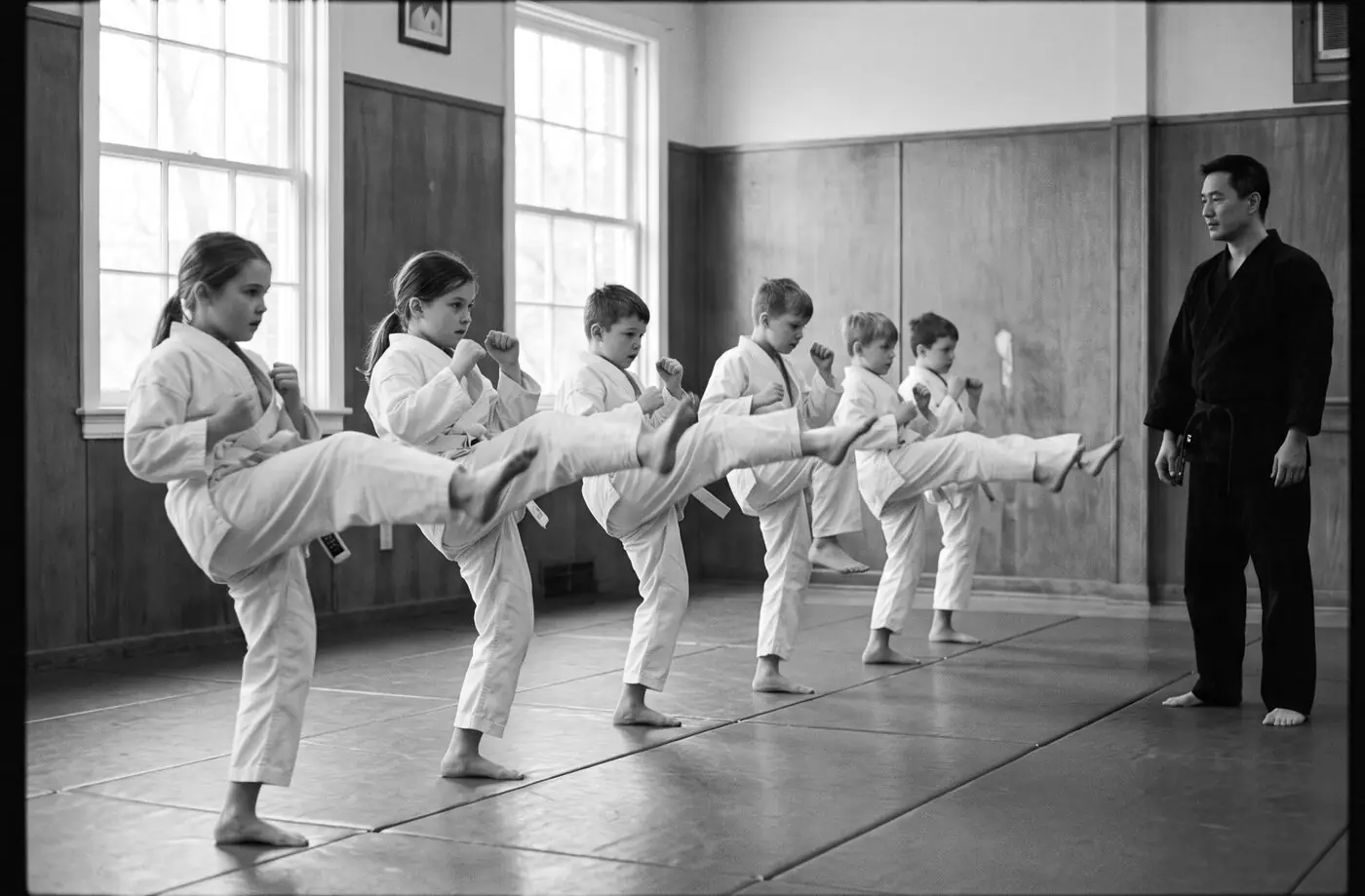
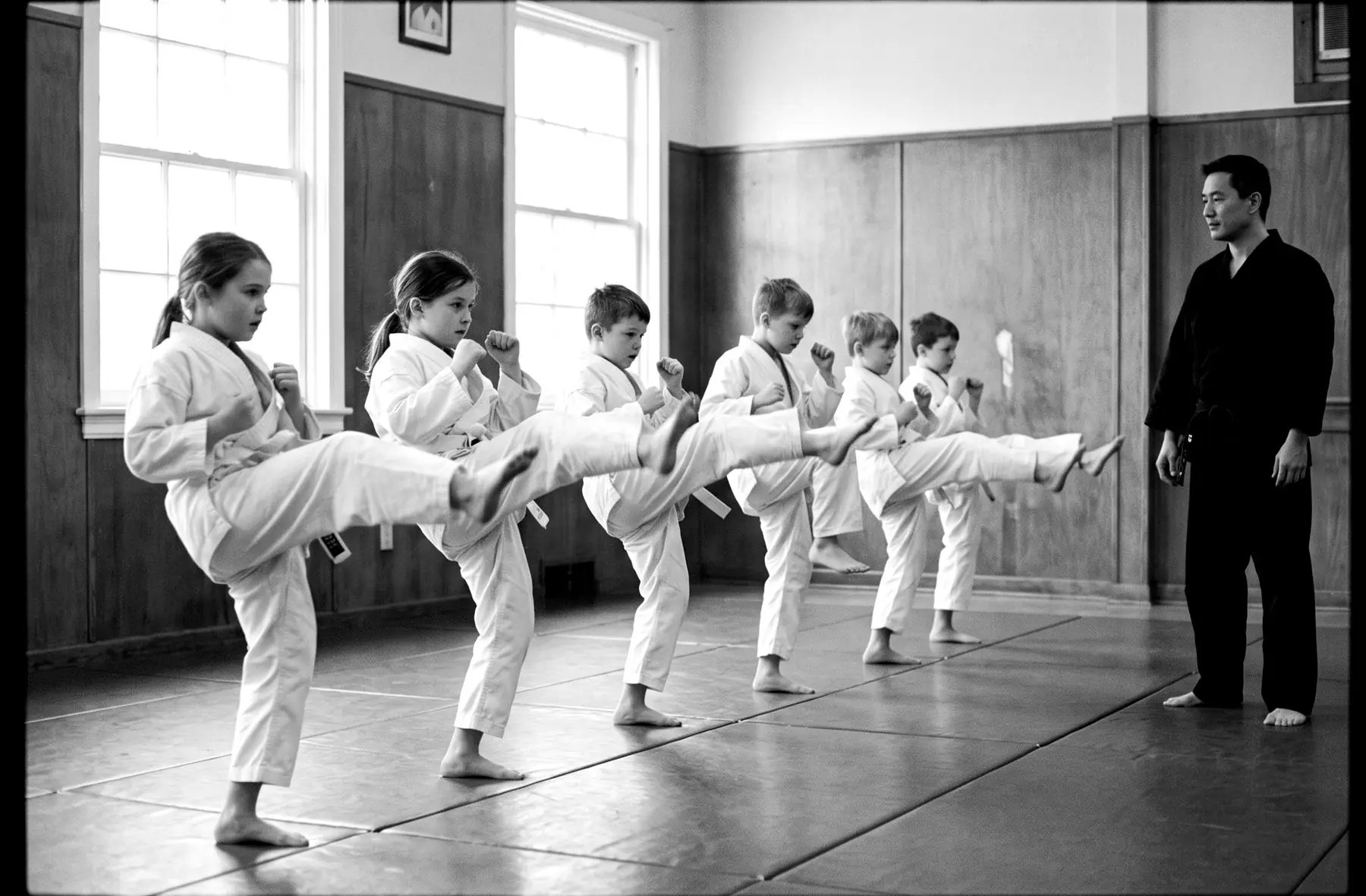
Which art, which ages and which goal: self defence, fitness or competition. Kids' classes and adult evening classes are different businesses, so decide which one you open with.
Choose your structure.
A business or a nonprofit. In Canada that is a sole proprietorship, a corporation or a nonprofit corporation, registered in your province or federally. In the United States it is usually an LLC, or a nonprofit corporation that can apply for 501(c)(3) status. An accountant can tell you which fits in an hour.
Find your room.
A school needs a room you control: mats, mirrors, a changing area and parking for the parents who wait. Many schools start by renting hours in a community centre before they sign a lease.
Join your governing body.
If you want your students to compete, join the national organization for your art and its provincial or state body. If you teach a traditional style, join the style organization that recognizes your rank.
Get insured.
The cover you need is in the insurance section below. Get quotes before you sign a lease or book a room.
Recruit and screen your coaches.
Every adult who works with kids gets a background check and safe sport training before the first class. Your rank and your lineage are your teaching credentials. If you join a national organization, its coaching and screening rules apply too.
Set your calendar and your prices.
A martial arts school runs all year on memberships, usually billed monthly, with belt tests every few months and camps in the summer.
Open registration.
Use a registration form that collects the waiver, medical notes and photo consent up front. Our free sports registration form template has every line.
Build your timetable.
Group classes by age and rank, and put the classes for kids right after school, when families can come.
What it costs
We will not print numbers here. They vary by city, by sport and by year, and a wrong number is worse than none. The first year board below turns your real quotes into a fee.
Varies most by city and by hour. Usually your biggest cost.
Varies with the number of members and the cover. Quotes are free.
National, provincial or style organization fees, plus rank certificates, depending on what you join.
Volunteer, paid per session or salaried. Varies.
Mats, pads, shields, loaner sparring gear and a first aid kit.
Varies by supplier and quantity, and often included in the family fee.
Tournament entries and grading fees, often paid by families.
Registration, payments and messages. Card processing takes a percentage of every fee.
Small. Your first families come from people you know.
Insurance and safety
- General liability. For when someone is hurt and blames the school.
- Participant accident. For an athlete's medical costs after an injury in play, on top of public or family health cover.
- Abuse and molestation cover. Often a separate line, and required by many facilities and associations.
- Directors and officers. For the board, if you run as a nonprofit.
- Property. For your equipment, especially if it lives in a rented space.
Martial arts is a contact activity, and some insurers treat it differently from other sports. Tell every insurer exactly what you teach, including sparring, and get the answer in writing.
In Canada, follow the Responsible Coaching Movement: the Rule of Two, background screening, and respect and ethics training for every coach. In the United States, organizations under a national governing body follow the U.S. Center for SafeSport's training and screening rules for adults who work with minors.
Never one adult alone with one child. That is the whole rule.
Who governs martial arts
Canada
It depends on your art. Taekwondo Canada, Judo Canada and Karate Canada are the national sport organizations for their arts, each with provincial members. Many schools instead belong to a style organization that sets their curriculum and grants rank.
United States
USA Taekwondo, USA Judo and USA Karate govern Olympic competition in their arts. Many schools never join one and teach under a style federation or their own lineage. To compete, you join; to teach, you choose.
Whichever you choose, write down your rank requirements before your first student walks in. Families will ask what it takes to earn the next belt.
Your first year, on one board
Type your real quotes. The board does the math, and nothing you type leaves this page.
- $
- $
- $
- $
- $
- $
- $
Revenue is students times the fee. Costs are every line above, plus a tenth kept aside for what you did not plan for. The break even fee is costs divided by students.
Your first families
- Start with the people who already trust you: the families you have coached, your own kids' friends, the school down the street.
- Run a free first session. A free trial class, with a parent watching from the side.
- Give every family one reason to bring a friend: a discount for both families when the friend registers.
- Be easy to find: a page with your schedule, your prices and a registration link, a listing on the maps apps, and an answer to every message the same day.
The first school to answer is the school that gets the kid.
The front desk you will not have to hire.
In your first year you are the coach, the treasurer and the front desk. Captivation Sports takes the front desk off your plate: the AI answers every parent and athlete on chat, email, text and voicemail, fills your classes, belt tests, camps and private lessons, takes registrations and payments, and sends the schedule. You coach. It answers.